Follow our travel adventures aboard M/V Biscuit, a 1989 42 Grand Banks Classic Trawler, as we explore the famous Great Loop route!
Day 90 (7/20/26) – Layover in Savannah, Georgia
Today’s blog is dedicated to the beautiful city of Savannah, Georgia, full of beautiful town squares, historic homes, moss-draped oaks, and good eats! We spent the last three days exploring the Historic District. Here are a few highlights.
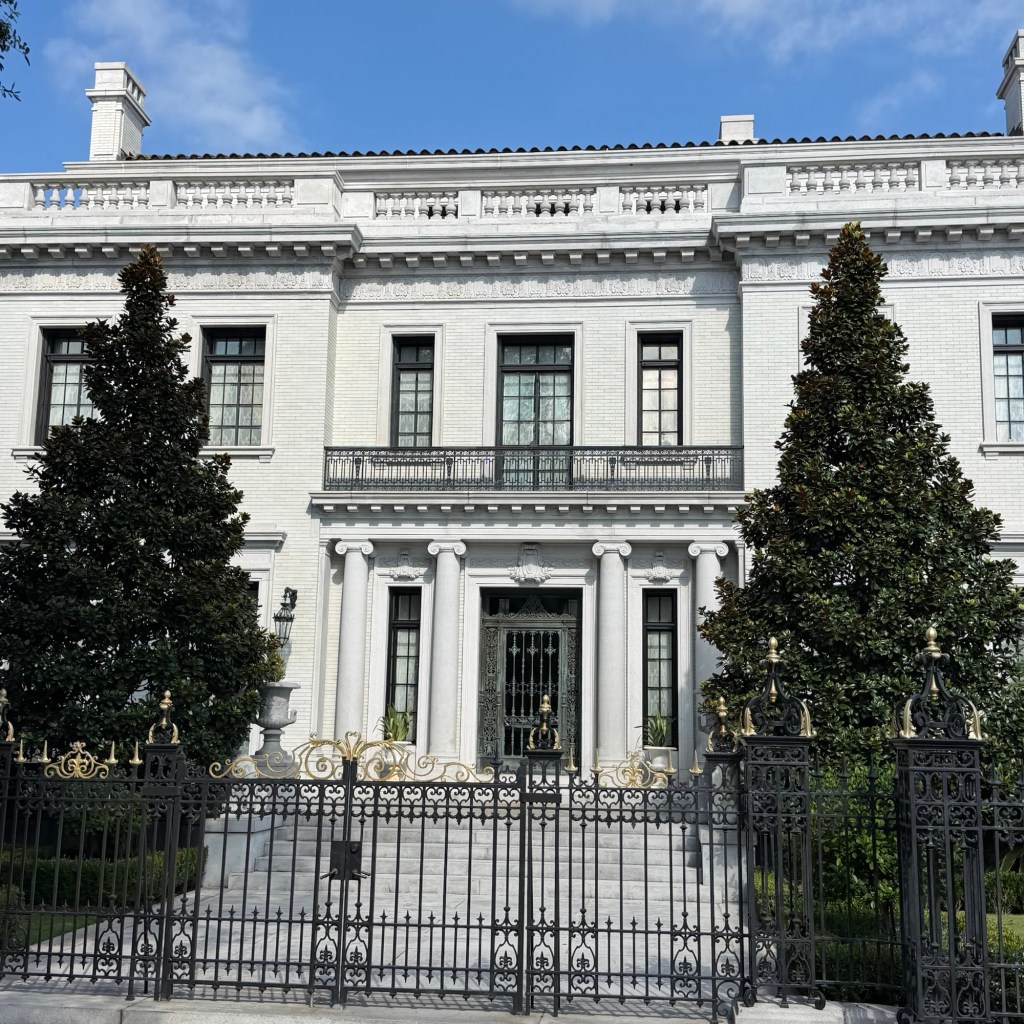
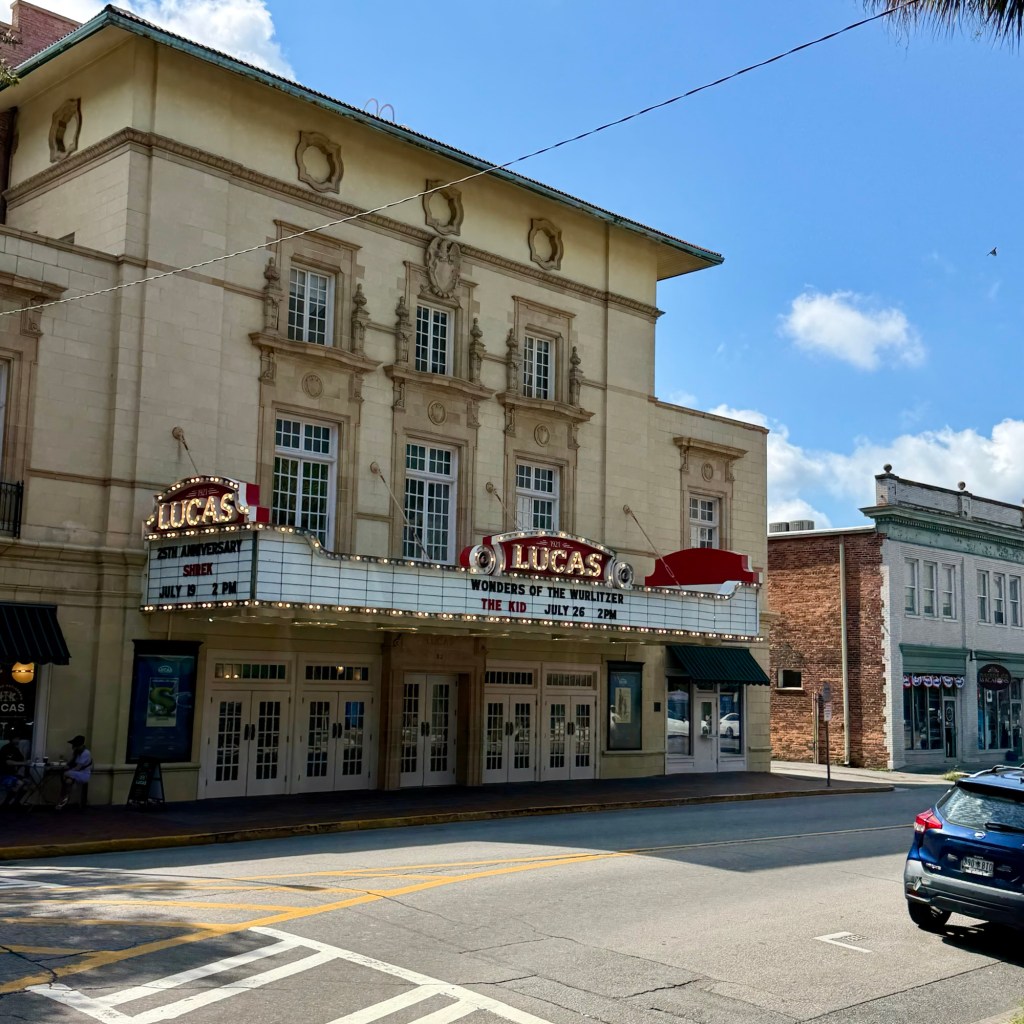
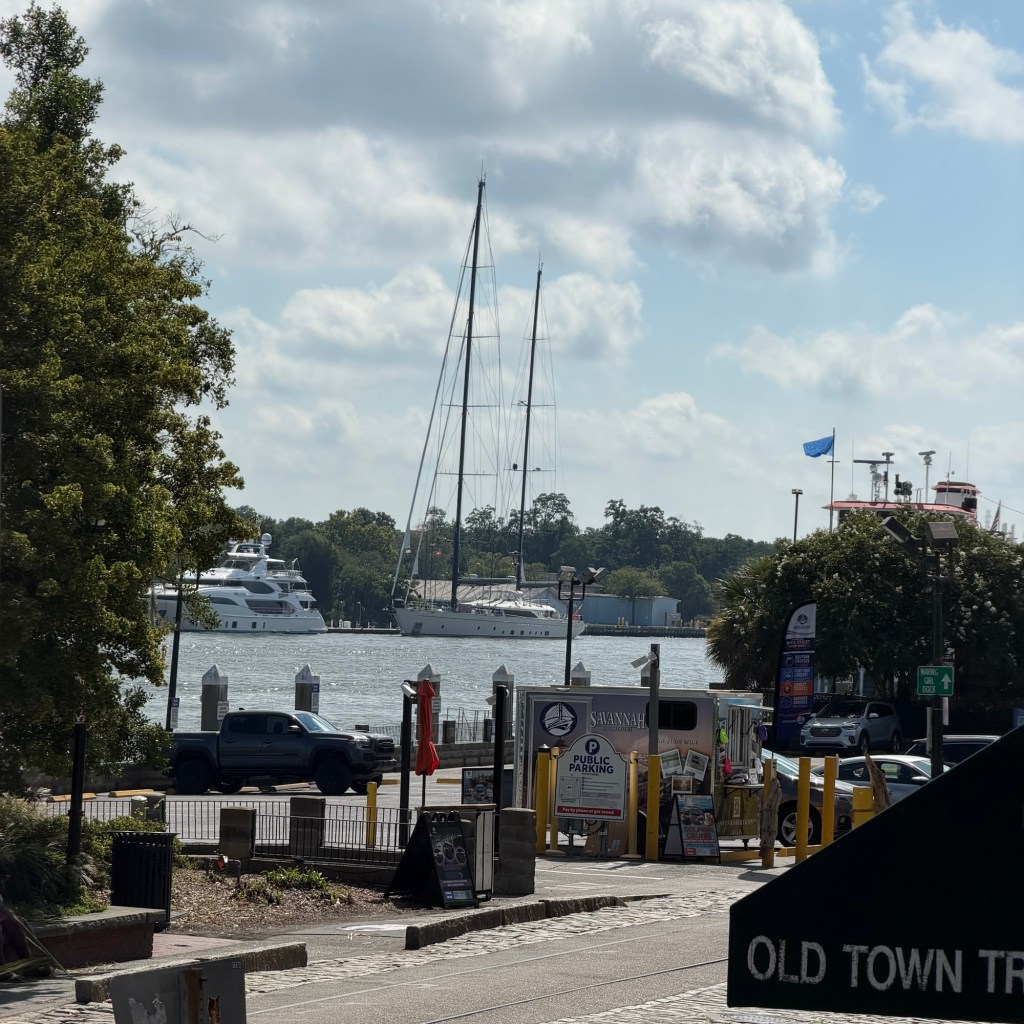
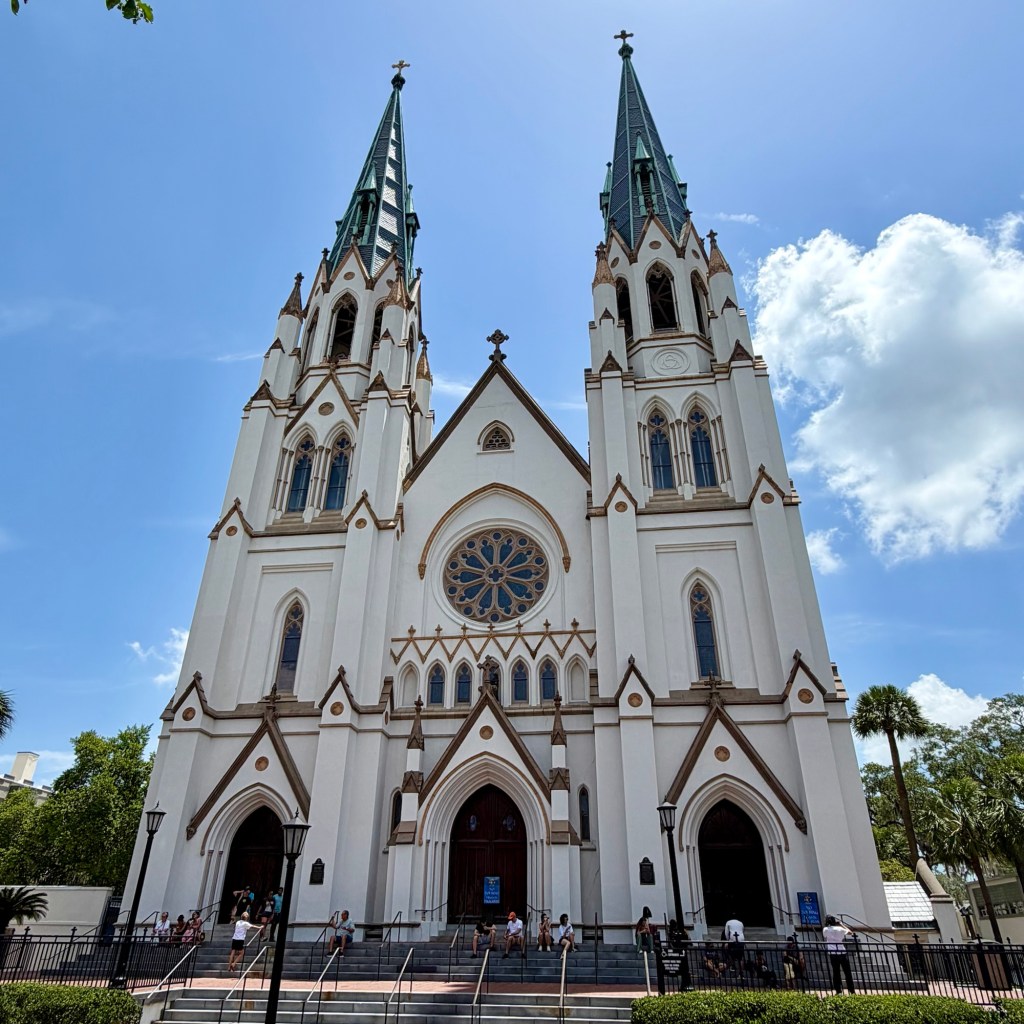
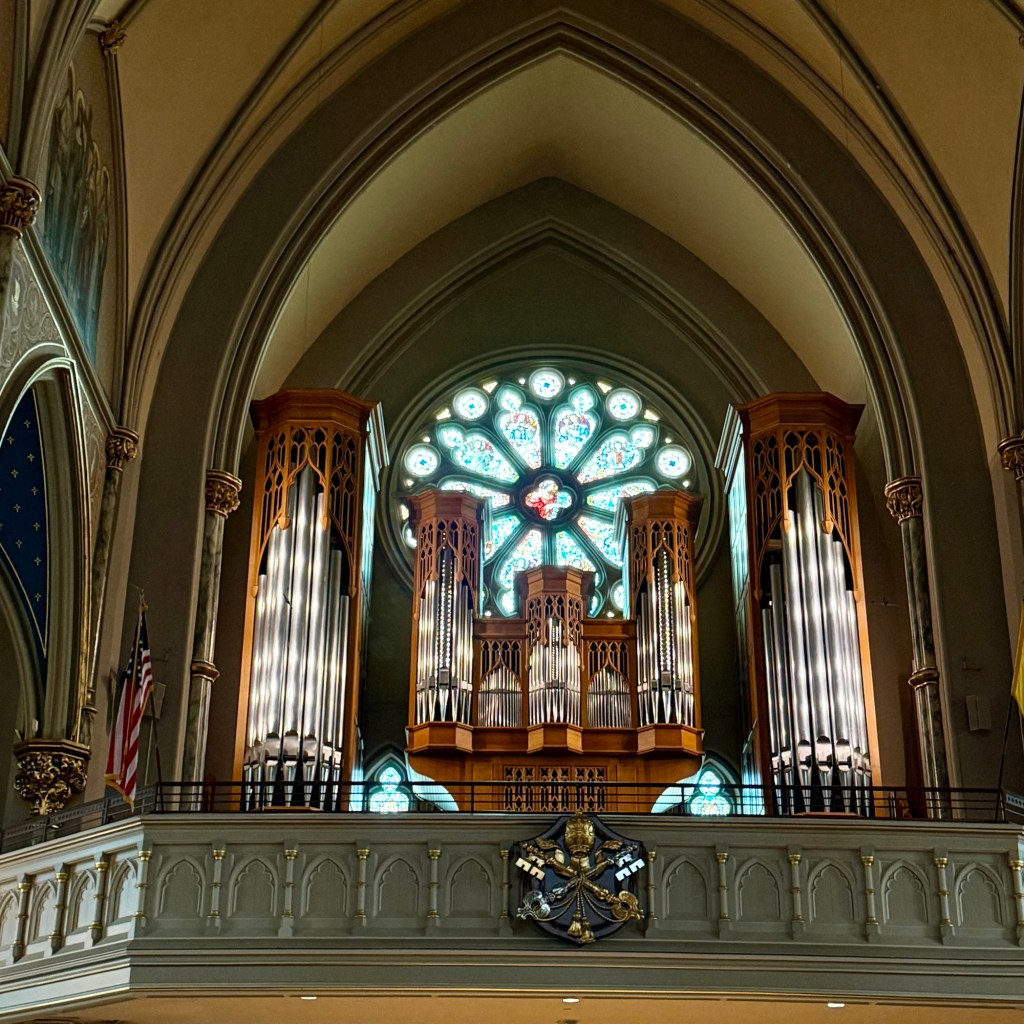
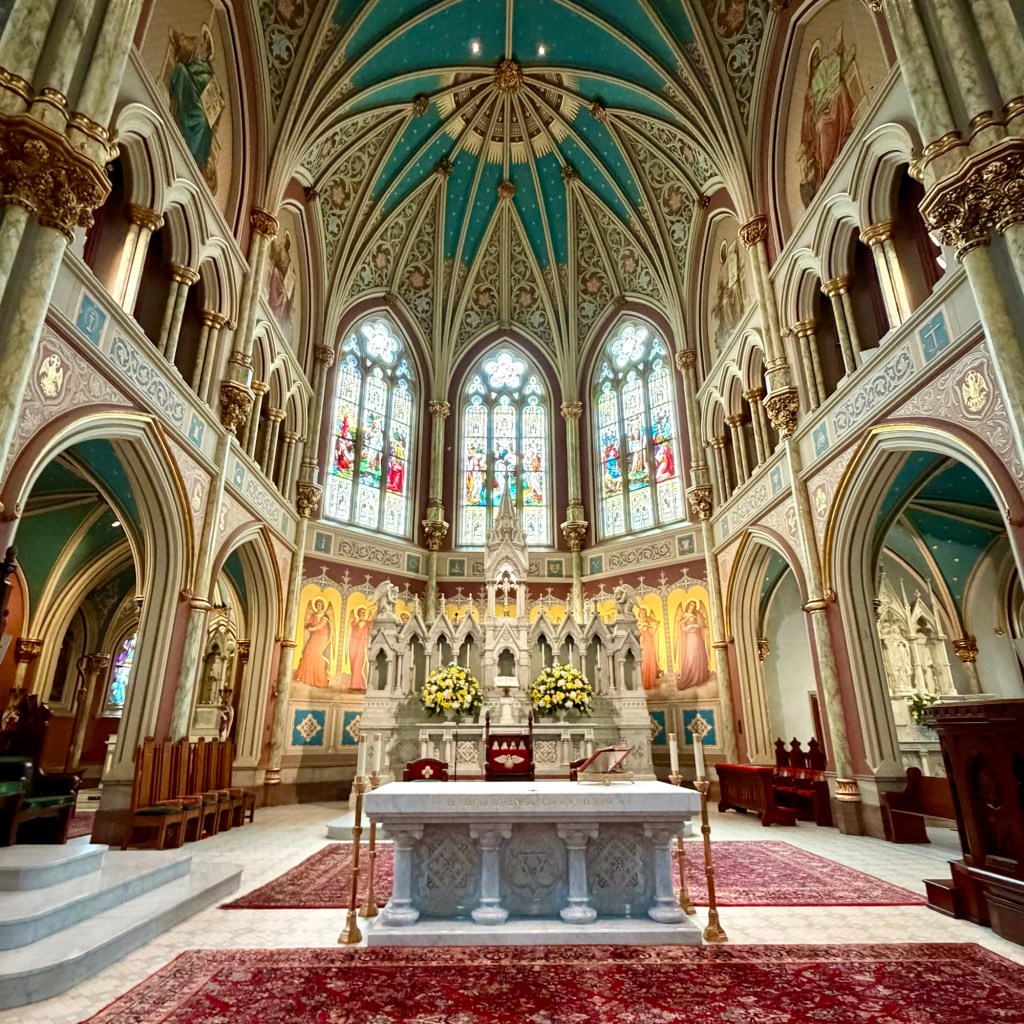
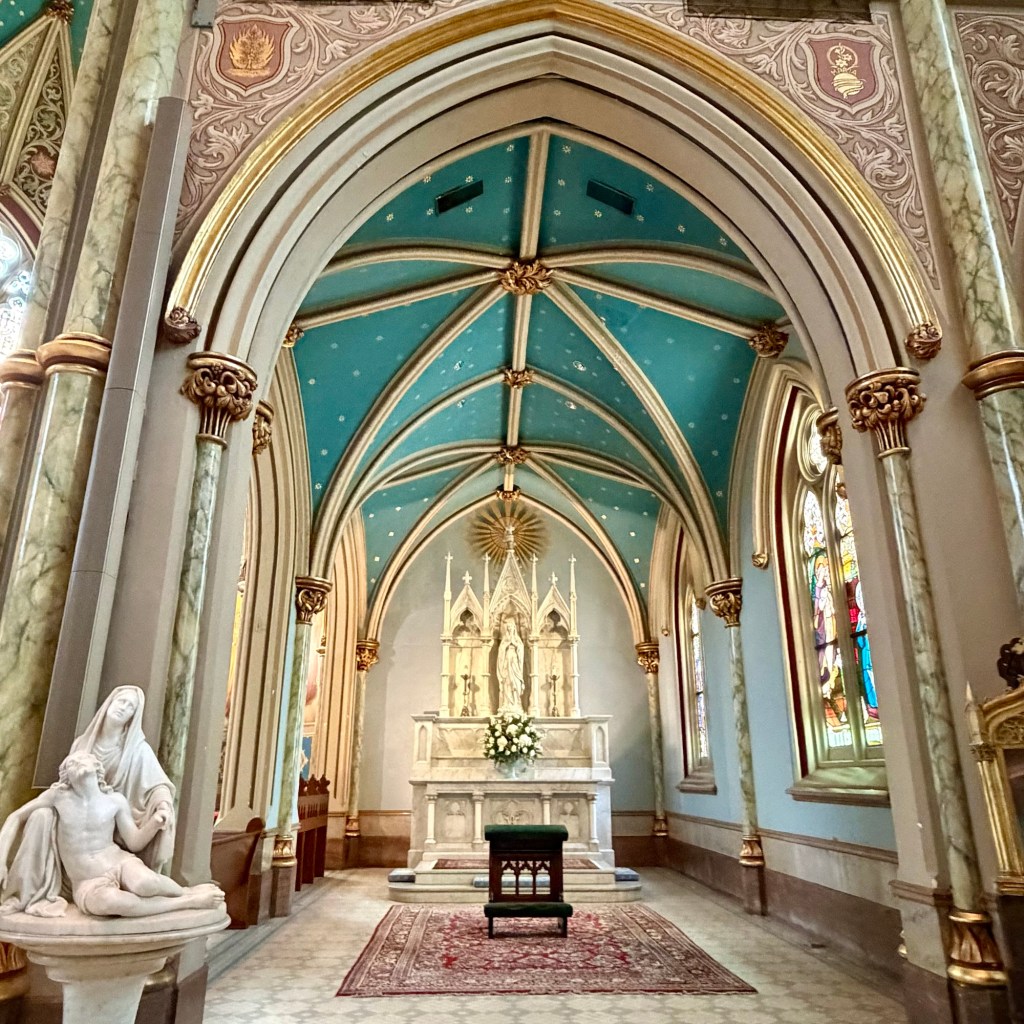
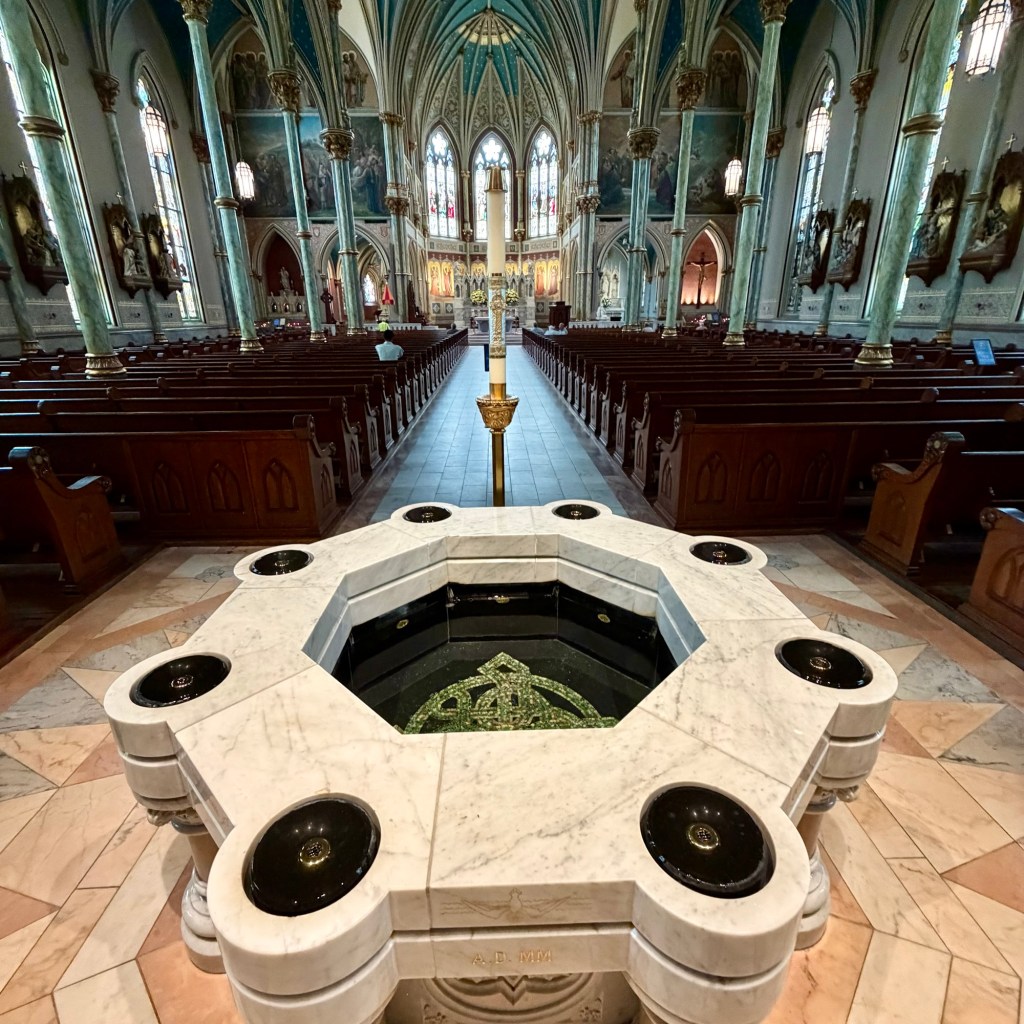
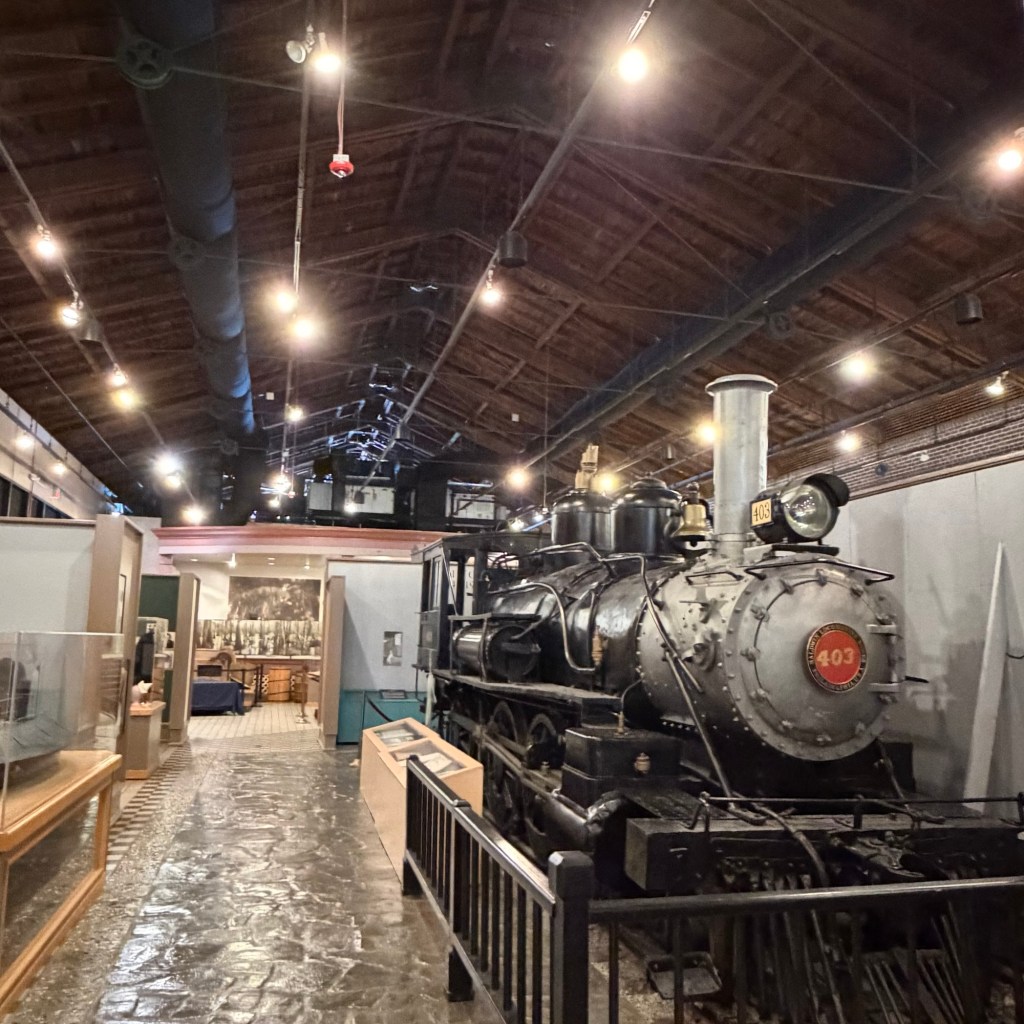
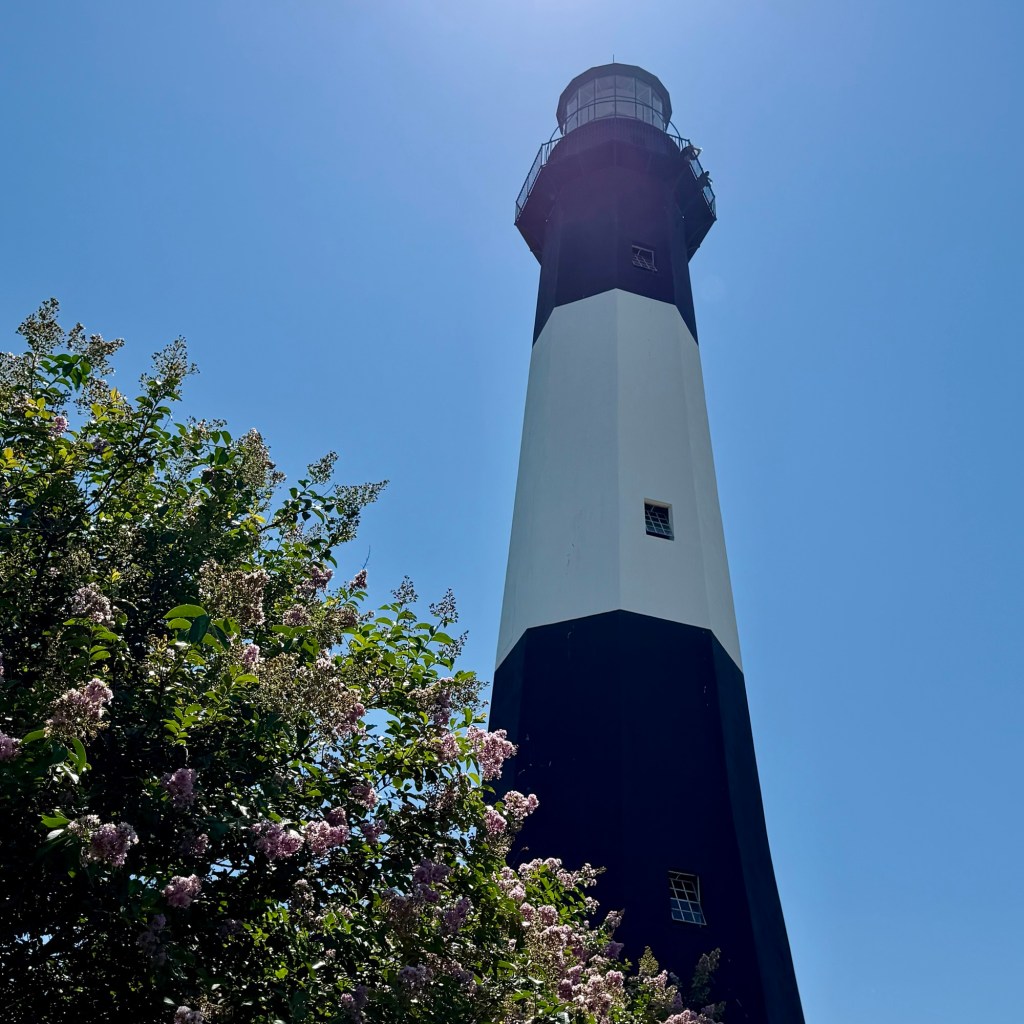
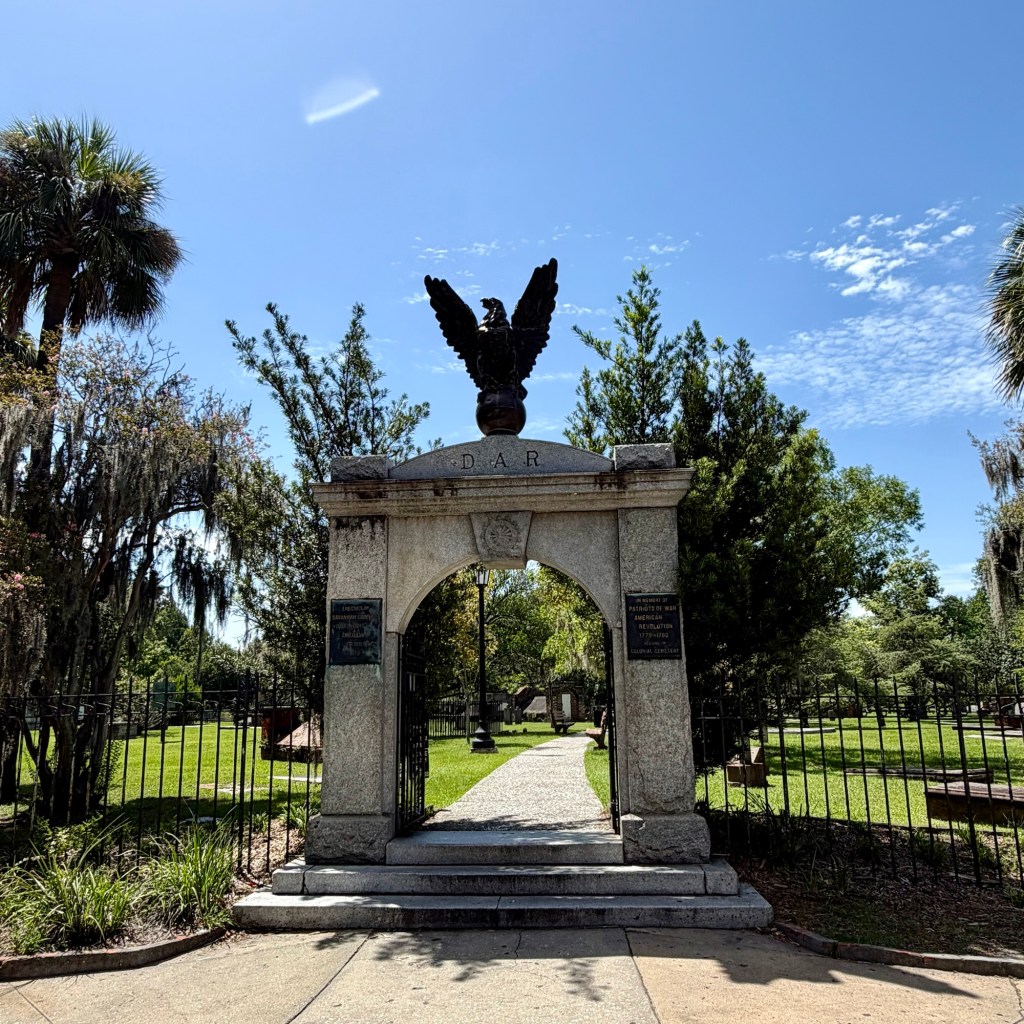
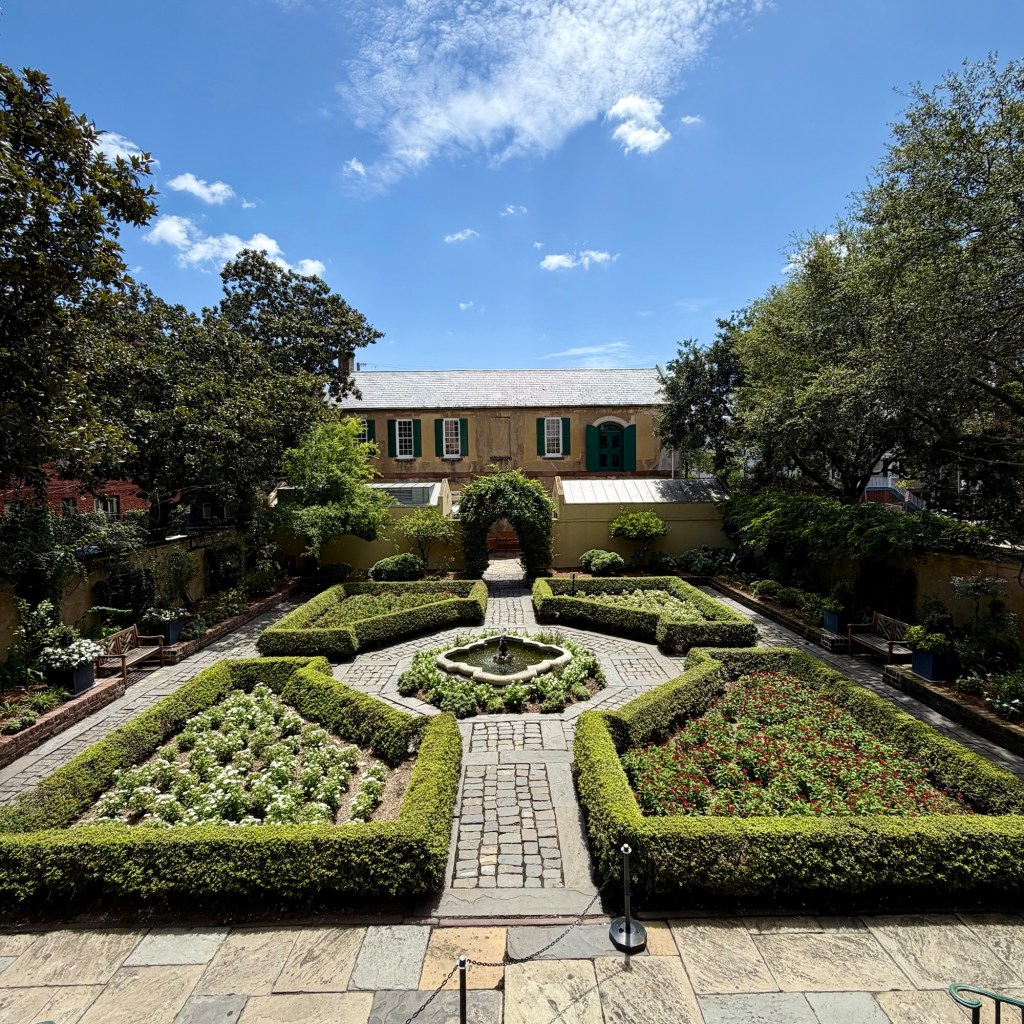
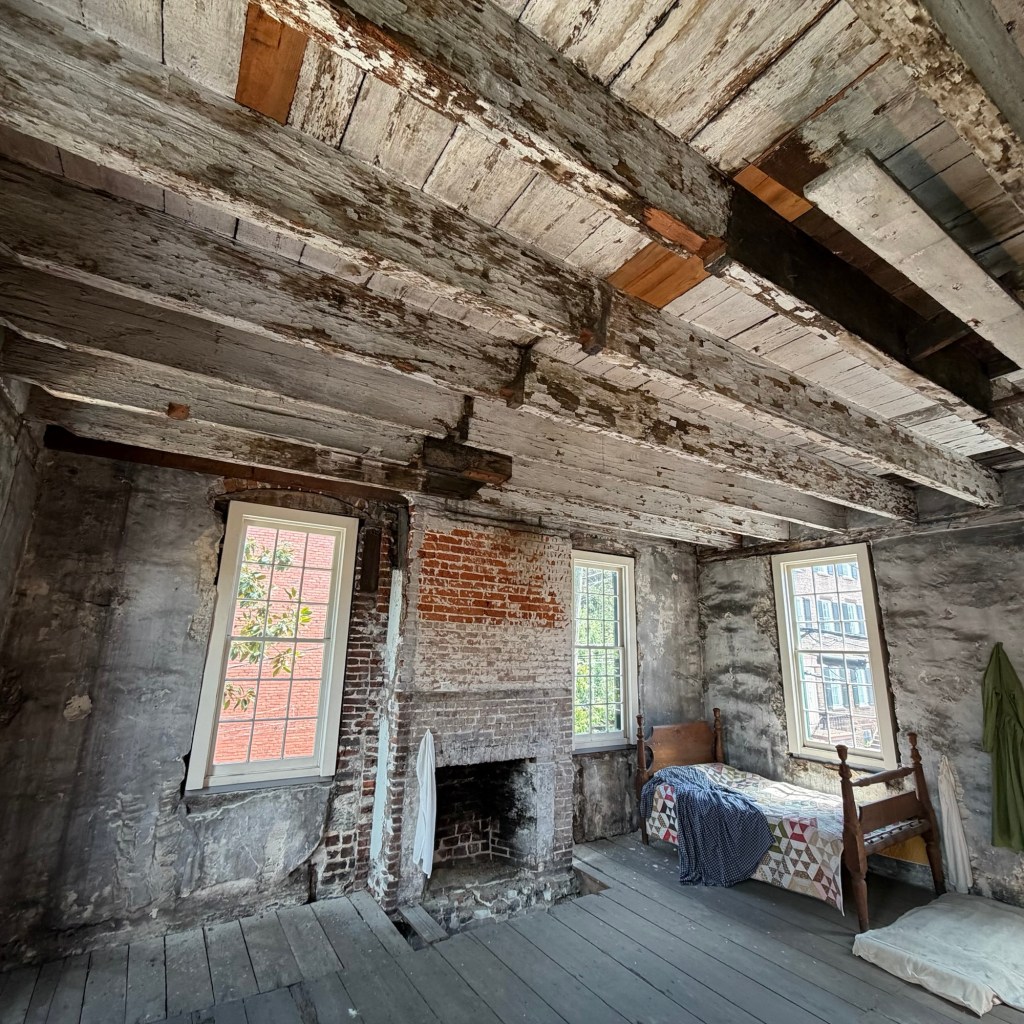
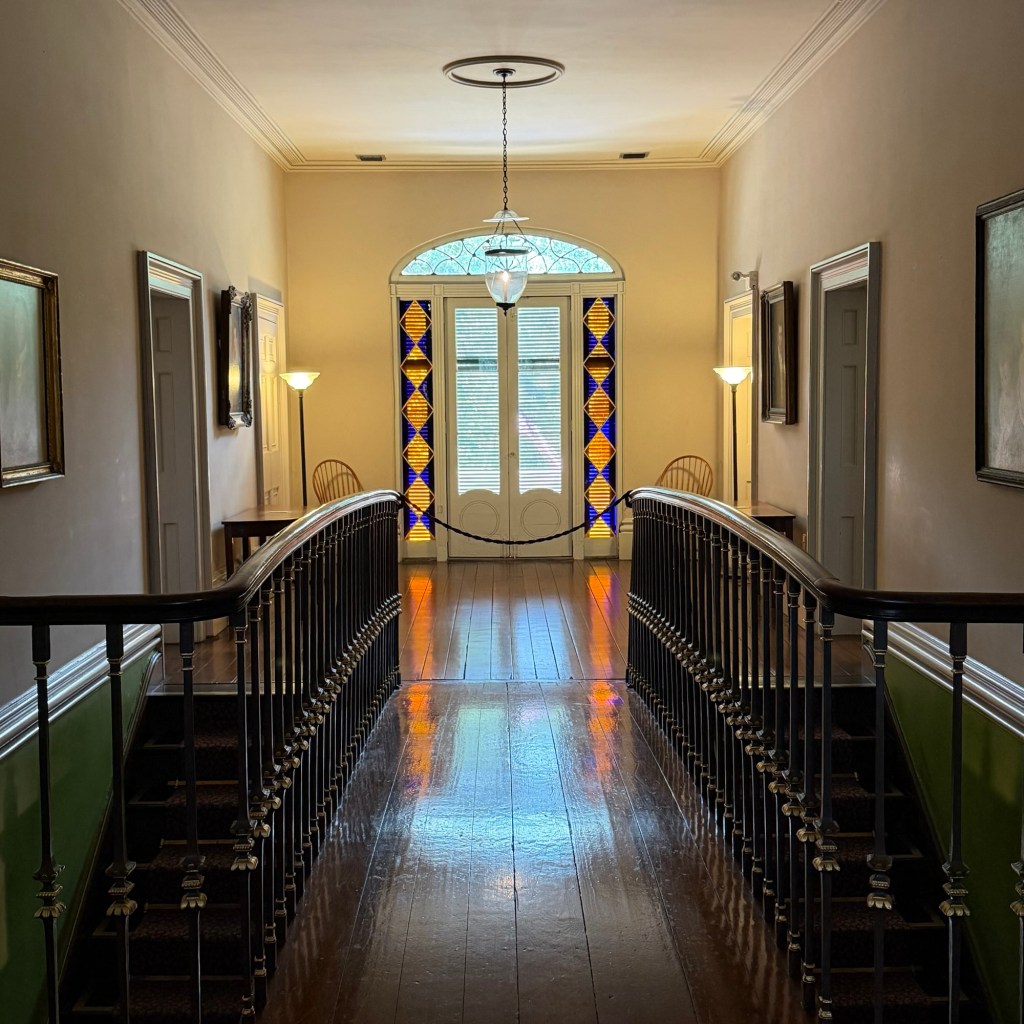
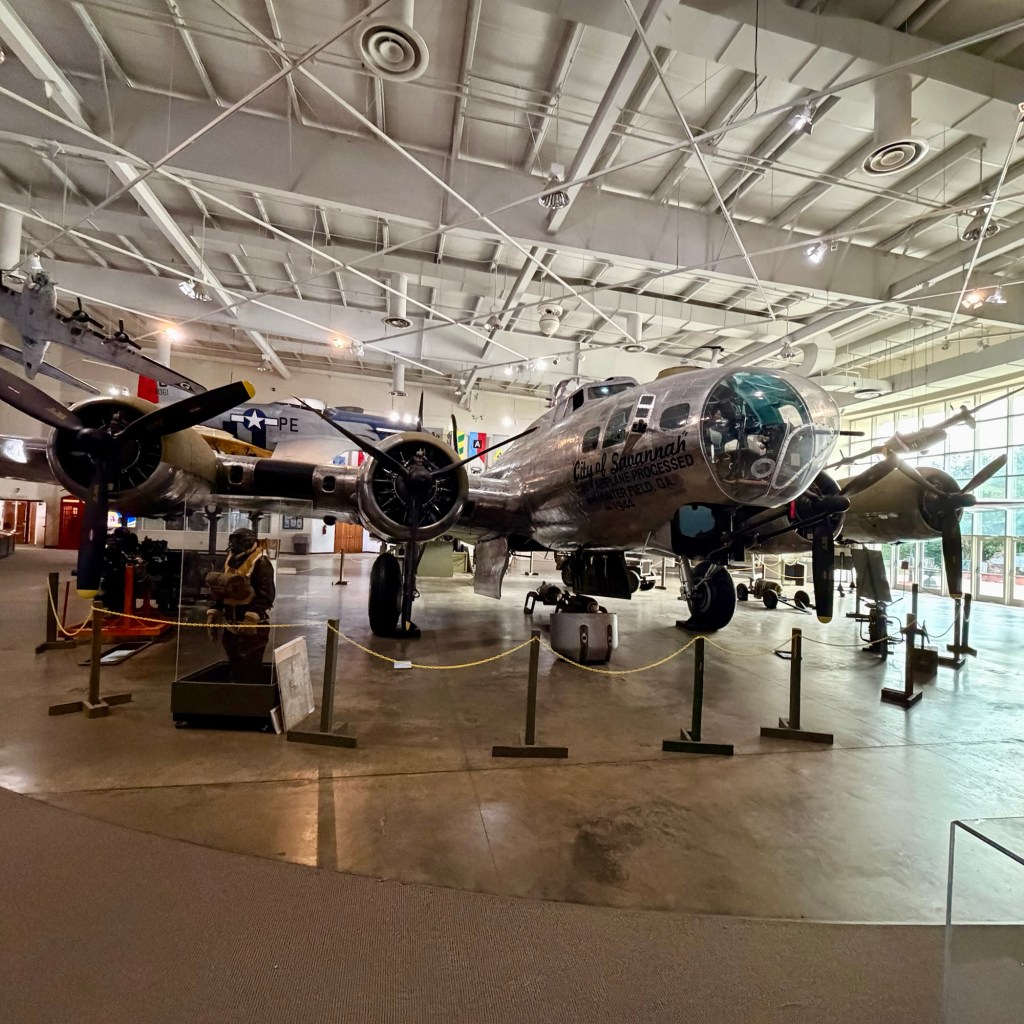
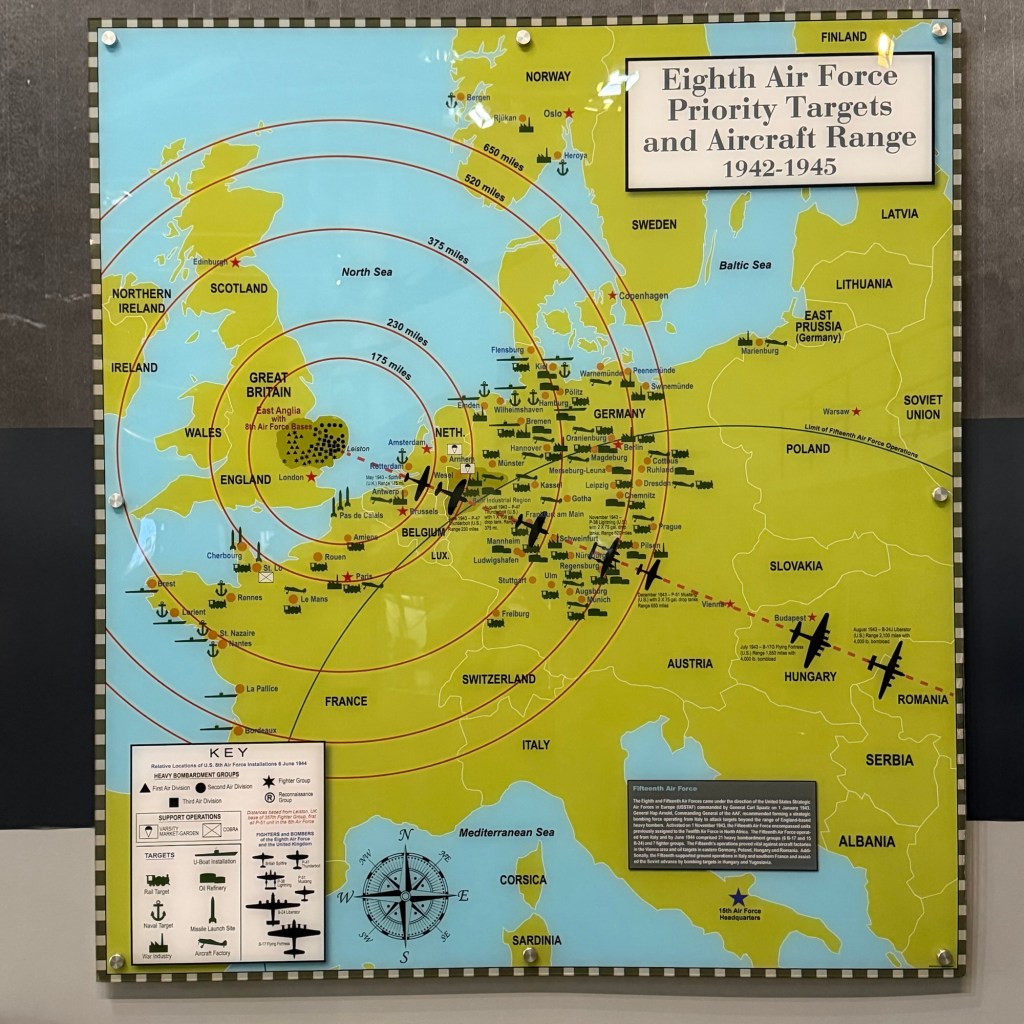
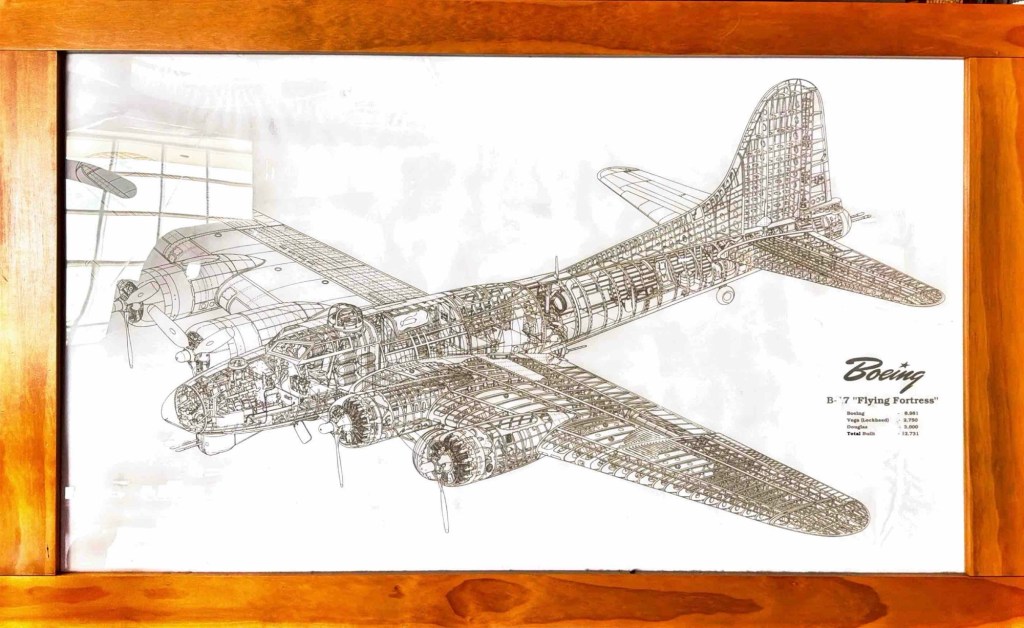
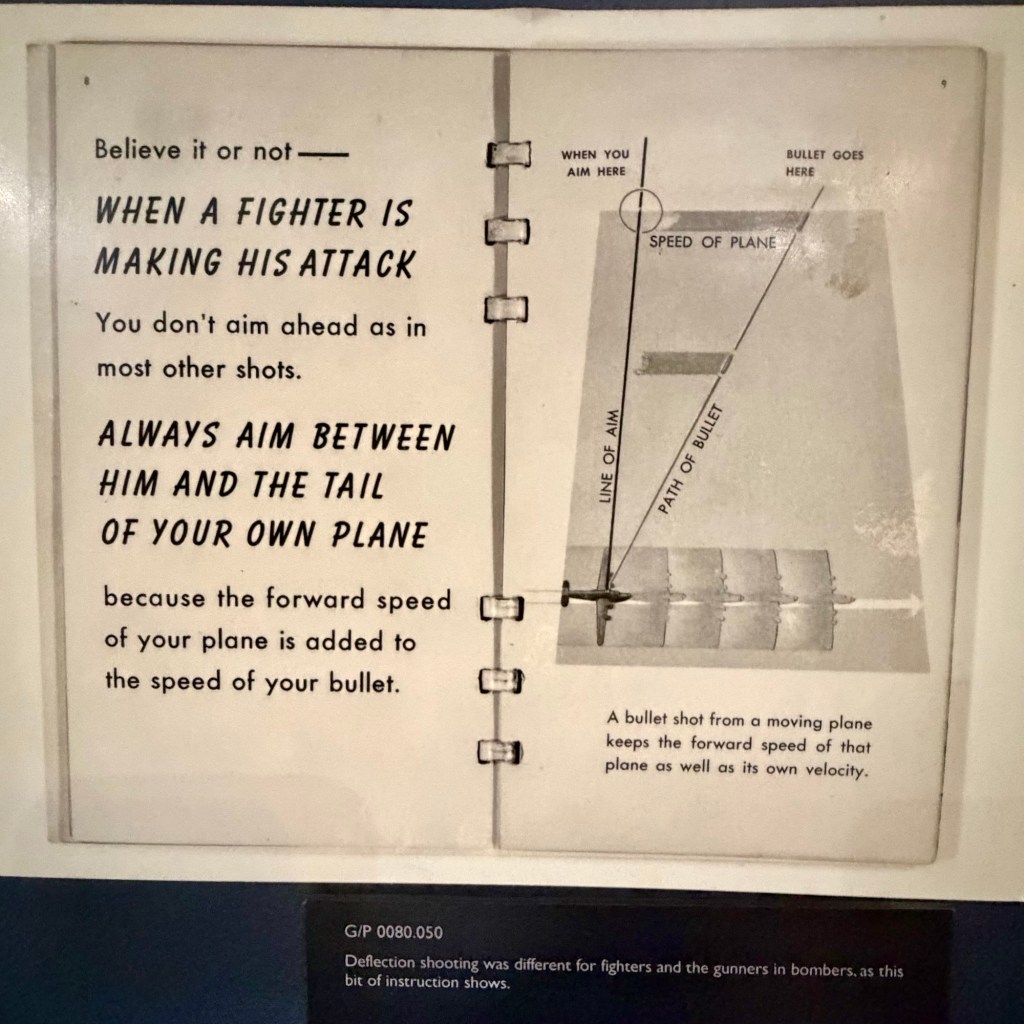
This is the Armstrong-Kessler Mansion, a historic landmark completed in 1918. The building features Italian Renaissance Revival architecture, highlighted by its white stone exterior and grand iron gilded gates. It was originally built for shipping executive George F. Armstrong and has been restored to a private residence after previously serving as a college and law offices.The Lucas Theatre for the Arts is a historic 1921 Spanish Baroque Revival movie palace, restored and reopened in 2000, and now managed by the Savannah College of Art and Design (SCAD). It serves as a major cultural venue, hosting the Savannah Film Festival, Savannah Philharmonic, and Savannah Music Festival, alongside films, concerts, and theatrical productions, featuring both historic architecture and modern technology like a restored Mighty Wurlitzer pipe organ.River Street, lined with restaurants and shops. This is the Cathedral Basilica of St. John the Baptist, a beautifully restored Catholic cathedral. The historic church features notable twin steeples that are the highest in downtown Savannah. It serves as the mother church for the Diocese of Savannah and is recognized as a historic landmark. Read more about its history here.This image depicts the large pipe organ in the loft of the Cathedral Basilica of St. John the Baptist. The organ shown is a Noack pipe organ featuring approximately 3,000 pipes. The cathedral is designed in the French Gothic style and was restored around 1900 after a fire. The organ is positioned in front of a stained glass rose window in the rear nave.This is the beautiful altar of the Cathedral Basilica of St. John the Baptist. The cathedral features a French Gothic architectural style, characterized by soaring vaults and high arches. The high altar is surrounded by extensive murals and stained-glass windows originally from Innsbruck, Austria. It is recognized as the oldest Roman Catholic church in Georgia.This interior view features the ornate Blessed Virgin Mary Chapel. It’s renowned for its teal-blue vaulted ceiling decorated with hand-painted gold stars. Visible in the scene are an altar holding white floral arrangements and a white marble statue of the Virgin Mary. The cathedral is sometimes referred to as the “Sistine Chapel of the South” due to its elaborate artistic details.Immediately in front of the main doorway is the octagonal baptismal font which weighs 8,000 pounds. It was carved in Carrara marble in Italy and shipped to Savannah in 2000. Moving on to the history museum! This is the Central of Georgia Railway Steam Locomotive No. 403, on display at the Savannah History Museum. The locomotive was built by Baldwin Locomotive Works in 1891 and served for over 50 years before retirement.The Tybee Island Light Station is located on the north end of Tybee Island, Georgia, overlooking the Savannah River. Standing 144 feet tall, it is one of seven surviving colonial-era lighthouses in the United States. The tower is painted with a distinct black and white color scheme to aid visibility. The light station is automated and features a lighthouse museum that offers tours. We toured the light keeper’s cottage but I didn’t climb the lighthouse for fear that I might pass out. 🥵This is the main entrance gate to the Colonial Park Cemetery. The stone archway, topped by an eagle, was dedicated by the Savannah Chapter of the Daughters of the American Revolution (DAR). The cemetery served as the city’s primary burial ground from 1750 to 1853. It is located at the intersection of Oglethorpe Avenue and Abercorn Street within the historic district.This is the Owens-Thomas House & Slave Quarters. This photo is taken from the back of the main house facing the slave quarters. The property features a mansion designed in the English Regency architectural style by William Jay. The symmetrical garden pictured originally separated the main house from the detached slave quarters. The site now focuses on telling the stories of the enslaved people who lived and worked there in the 19th century.Inside of the meticulously restored slave quarters.Arched walkway and stained glass in the beautifully restored Owens-Thomas House.This is the B-17G Flying Fortress “City of Savannah” on display at the National Museum of the Mighty Eighth Air Force. The aircraft was restored to its 1945 configuration by a team of volunteers who spent over 60,000 hours on the project.The museum is located in Pooler, Georgia, near Savannah. This map displays the operational ranges of Allied aircraft attacking German targets from Great Britain between 1942 and 1945. It highlights key developments in fighter escort range, showing a progression from 175 miles in May 1943 to over 600 miles by early 1944. The visualization details priority targets such as U-boat installations, refineries, and aircraft factories across Europe.This framed print features a detailed cutaway schematic of the Boeing B-17 “Flying Fortress” heavy bomber. The blueprint shows the internal structural engineering of the plane, including its four radial engines and fuselage framing.This instruction manual caught my eye. This is a page from the 1943 US Army Air Forces “Get That Fighter” pocket book, a restricted manual for air gunners. The text explains the concept of deflection shooting from a moving aircraft, highlighting that bullet velocity is combined with the bomber’s forward speed.
This is our third day sightseeing and we’ve only scratched the surface! More sightseeing adventures are planned for tomorrow. Until next time – sweet dreams!




Leave a Reply